Best Collagen Supplement UK: How to Choose Powder, Gummies or Tablets
By The glow team Published 4 min read
The short answer: there is no single best collagen supplement, and the research cannot tell you which brand will do anything for you. What you can do is compare products on things that are checkable: grams of collagen per serving, the source, what else is in the tub, whether the brand shares testing, and the cost per day. This guide sets out those criteria. Collagen has no authorised health claims in Great Britain, so treat any promise of a result with caution.
First, decide whether you want one
Your body makes its own collagen from the protein you eat, with vitamin C. A supplement is optional. The evidence is mixed, with a 2026 umbrella review reporting better skin hydration and elasticity than placebo but rating most of the underlying reviews low or critically low quality. A 2025 meta-analysis found effects in industry-funded trials but none in trials without industry funding or in the high-quality trials. Read does collagen work and our collagen for women guide before you spend money.
Criteria worth comparing
1. Hydrolysed collagen peptides
Most trials use hydrolysed collagen, also called collagen hydrolysate or collagen peptides, where the protein has been broken into short chains. Check the label says this. Products that list "collagen" without saying what form it is give you less to go on.
2. Grams of collagen per serving
This is the number that lets you compare a product with trials. Published studies of hydrolysed collagen have used roughly 2.5g to 10g a day. For example, one skin trial in 69 women aged 35 to 55 used 2.5g or 5g for 8 weeks, and a joint trial in athletes used 10g a day for 24 weeks. There is no agreed best dose, which we discuss in how much collagen you need a day.
Look for the grams of collagen per serving and the serving size. A label that shows only a "proprietary blend" total, or a large number for the whole pot, makes comparison harder.
3. Source: marine or bovine
Most products come from cattle or fish, and some from pig or chicken. We found no head-to-head trials showing one gives better results. A 2024 crossover study in healthy volunteers compared blood levels of hydroxyproline after fish, pig and cattle hydrolysates and described the uptake as comparable, though it measured blood levels only and five of its nine authors worked for a gelatin and collagen peptide manufacturer. The difference that matters in practice is allergy and diet: fish collagen is a concern for people with fish allergy. See marine vs bovine collagen.
4. What else is in the tub
Some products add vitamin C, hyaluronic acid, biotin, zinc or flavourings. Added ingredients make the trial evidence on collagen alone harder to apply, and they add cost. Your body needs vitamin C to make collagen, but you can get it from fruit and vegetables. The NHS vitamin C page lists sources. Check the sweeteners and flavours too if you avoid certain ingredients.
5. Testing and contaminants
Harvard's Nutrition Source notes concerns about heavy metals in some collagen supplements. Look for a brand that says what it tests for and whether it publishes batch results. Marketing words such as "premium" or "pure" tell you nothing on their own.
6. Format: powder, gummies, capsules or tablets
- Powder usually allows the largest dose per serving, and unflavoured powder mixes into drinks or food. You need to measure it.
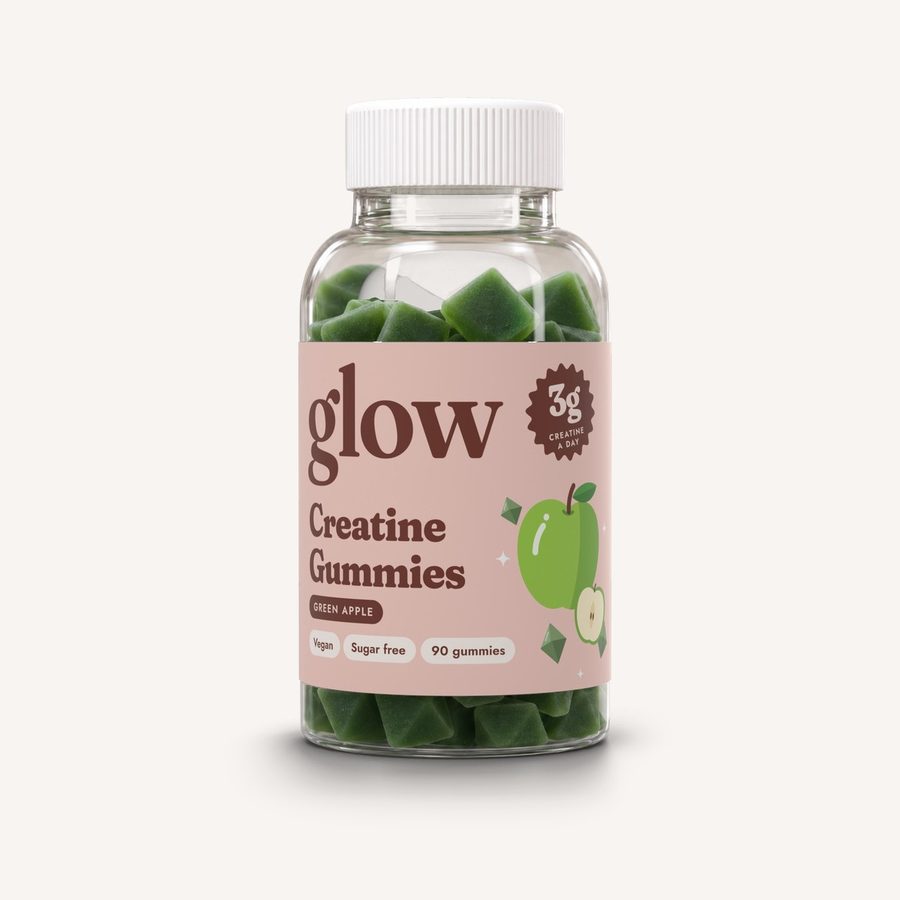
- Gummies are convenient, but check how many you need a day to reach the grams on the label, and check the sugar content.
- Capsules and tablets are easy to carry, though several may be needed to reach a few grams.
Whichever format you choose, ask how much collagen you get in a day, not per piece. Our collagen gummies vs powder guide covers this in more detail.
7. Cost per day
Divide the price by the number of daily servings in the pot, using the dose you actually plan to take. Prices vary a lot, so do this sum for each product on your list. A bigger tub is not cheaper per gram if the serving size is smaller.
Questions to ask before you buy
- Does the label state grams of hydrolysed collagen per serving?
- Is the source stated (cattle, fish, other)?
- Do I need to avoid anything for allergy, diet or religious reasons?
- Does the brand say what testing it does?
- What does it cost per day at the dose I would take?
- Is the pack making promises the evidence does not support?
Be wary of promises
In Great Britain, no health claims are authorised for collagen. Phrases such as "reverses ageing" or "repairs joints" are not backed by the research. Studies have measured outcomes such as skin hydration, skin elasticity and self-reported pain, and the quality of that research is mixed. A supplement does not replace a varied diet, sun protection or medical care.
Safety
Harvard's Nutrition Source says research has not shown negative side effects from collagen supplements. If you have a fish allergy, avoid marine collagen unless your doctor says otherwise. Speak to your doctor before taking supplements if you are pregnant, breastfeeding, have a medical condition or take medication.
glow collagen, coming soon
glow Collagen Powder is coming soon: 10g of hydrolysed collagen peptides a day, unflavoured, in a 300g tub of 30 servings, with free UK delivery. See /products/collagen-powder. glow Collagen Gummies, a natural peach gummy, are also coming soon at /products/collagen-gummies. We make no claims about what either will do for you, because none are authorised for collagen.
FAQs
What is the best collagen supplement in the UK
There is no single best one. Compare grams of hydrolysed collagen per serving, source, added ingredients, testing and cost per day, and be cautious about results claims.
Which is better, collagen powder or gummies
Neither has been shown to work better in trials. Powder often gives more collagen per serving, and gummies are more convenient. Compare the daily dose on the label.
Is marine or bovine collagen best
We found no head-to-head trial showing a difference in results. Allergy and diet usually decide it.
How much should I spend on collagen
The price per day at your chosen dose is the fair comparison. A higher price does not show better quality.
Do I need vitamin C with collagen
Your body needs vitamin C to make collagen, and you can get it from food. We found no strong evidence that adding it to a supplement changes outcomes.
This article is for general information and is not medical advice.

Collagen Gummies
Collagen gummies for women, coming soon. Join the list to hear first.
Be first to try themKeep reading

